Modern Fire Behavior
Look beneath the flame: fuels, heat, smoke, and the chemistry of a compartment fire.
Do you understand what you fight—or can you just name its visible parts?
Take a closer lookFire in a Box · with Monte B. Keady
Bring your experience. Question your assumptions. Explore the fire, the building, and the thinking behind your next decision.
Find your next firehouse discussion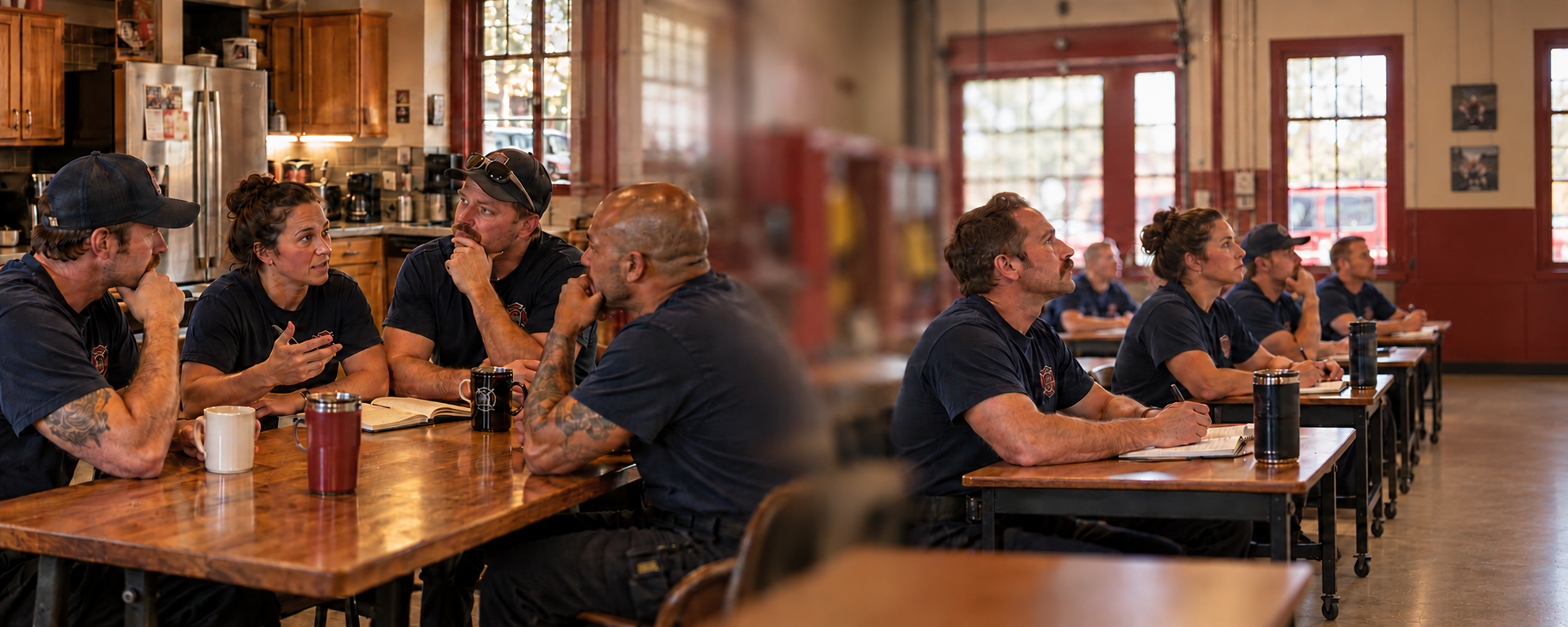
Explore the classes
Content can be adjusted for delivery time, from 90-minute conferences to half-day courses.
Bring your knowledge and experience, engage with questions—and you may leave with a different perspective.
Look beneath the flame: fuels, heat, smoke, and the chemistry of a compartment fire.
Do you understand what you fight—or can you just name its visible parts?
Take a closer lookExplore pressure, openings, wind, and the movement of gases through a building.
Openings change the flow path, so before you open a door or break a window, do you know what to expect?
Follow the discussionExplore fire attack, water application, and the reasoning behind nozzle choices.
Beyond the solid stream vs. fog nozzle debate, let’s talk nozzle science.
Explore the classConnect observations, priorities, and available resources to a plan you can reassess.
When fire conditions in the box change, does your plan keep up?
Think it throughThe full series is designed for approximately 2½ days, with delivery options including evening classes and full-day seminars. Selected overviews may be adapted into approximately two-hour conference sessions.
Decision-making instruction can incorporate the host agency's local procedures. Course scope and schedule are arranged with the host.
Discuss hosting a classThe building behind the fire
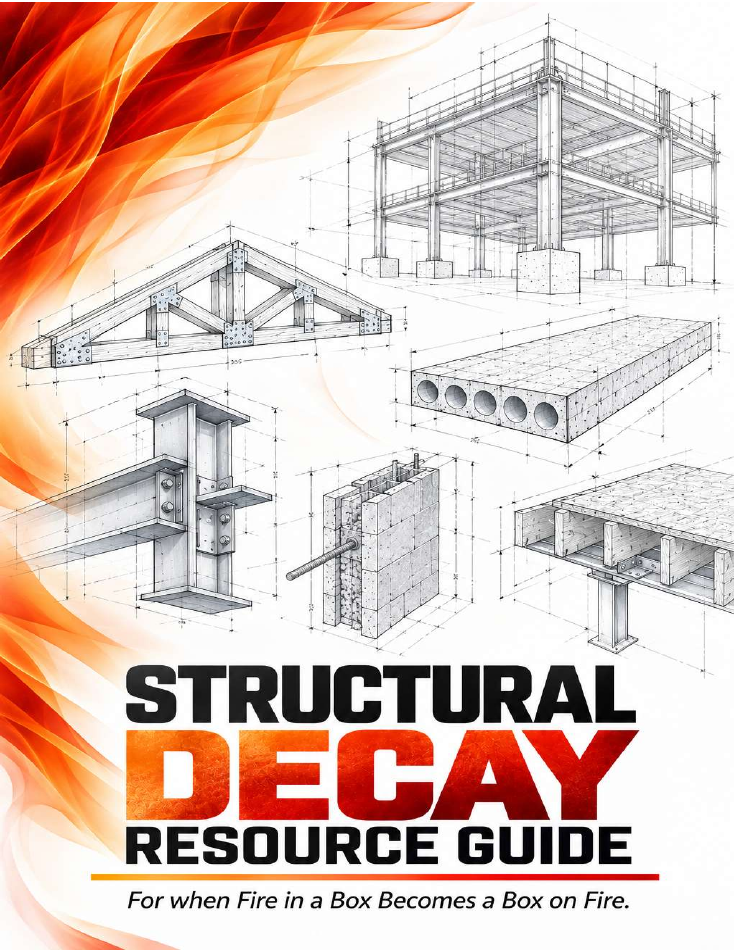
The guide brings attention to building materials, assemblies, attachments, and hidden structural hazards. Its illustrated organization offers a starting point for discussing the building itself.
Meet the instructor
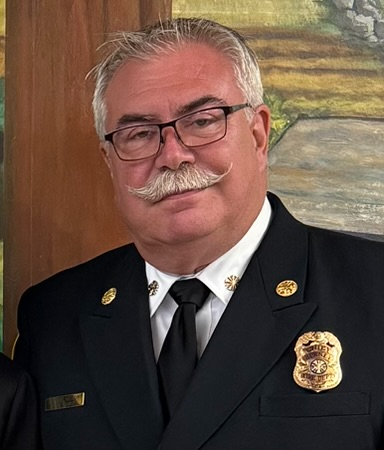
I bring more than 40 years in the fire service, from volunteer Firefighter/EMT to career fire chief.
From May 1989 to February 2017, I served with Klamath County Fire District No. 1 in Klamath Falls, progressing from Firefighter/EMT to Division Chief of Administration. Those years were where I did most of my learning.
I moved to Burney to become Fire Chief in 2017 and remained there for five years. Today, I teach Fire and EMS at Lassen College and serve as a volunteer EMT/Captain at Burney Fire District.
The Fire in a Box series is an invitation to bring honest conversation about fire service practice and fire science into a shared experience, from me to you. We'll examine the science, listen to one another, and keep learning through the questions we ask.
Always learning. Always teaching.
Always serving.
Research & learning
Research, instructional models, and field observations each bring something to the discussion. The classes examine their connections, their differences, and the questions that remain.
Contact Professor Chief
Interested in bringing Fire in a Box to your department or conference? Tell me about your crew, what you want to explore, and the kind of class you have in mind.
Questions about a lesson or the Structural Decay Reference Guide are welcome, too.
A few details will help us start the conversation:
No set dates yet? We can start with an idea.